Buy Cold Plunge for Home: A 2026 Buyer's Guide
Table of Contents
- Why Buy a Cold Plunge for Home
- How Long to Cold Plunge for Beginners
- Indoor vs. Outdoor Cold Plunge Installation
- Cold Plunge Chiller Maintenance and Water Filtration
- Choosing Between Portable and Permanent Cold Plunge Systems
- Cold Plunge Options for Every Budget and Space
- Long-Term Operating Costs and ROI
- Frequently Asked Questions
Last Updated: September 21, 2026
Why Buy a Cold Plunge for Home
Cold water immersion at home transforms how your body recovers. When you buy cold plunge for home, you're investing in a recovery tool that works consistently, without relying on clinic schedules or travel time. Cold plunges reduce inflammation, accelerate muscle recovery, and improve thermal regulation after intense workouts.

The real advantage isn't just convenience. Home cold plunge systems let you build cold exposure therapy into your daily routine. Athletes who use cold water immersion regularly report faster recovery between training sessions. Professionals managing chronic pain find that regular sessions reduce inflammation without medication dependency. The therapeutic benefits compound when you have access at home.
At Sport Gains, we provide high-quality, professionally sourced home wellness and recovery equipment designed to help you recharge daily. The difference between equipment that sits unused and a system that becomes part of your routine comes down to three factors: realistic setup, manageable maintenance, and choosing the right system for your space and budget. The difference between equipment that sits unused and a system that becomes part of your routine comes down to three factors: realistic setup, manageable maintenance, and choosing the right system for your space and budget.
This guide breaks down everything you need to know before you buy cold plunge equipment. We'll cover installation requirements, maintenance realities, budget options, and long-term costs so you make a decision you'll stick with.
How Long to Cold Plunge for Beginners
Start with 2-3 minutes for your first cold plunge session. New users should acclimate gradually to cold water immersion. Your body needs time to adapt to the vasoconstriction response and thermal shock.

Beginners often underestimate how intense cold exposure feels. A 90-second plunge in 50°F water hits differently than you expect. Most people can handle the first minute easily. Minutes two and three test your mental resilience more than your physical tolerance.
Build your cold plunge duration like this:
- Week 1-2: 1-2 minutes at 50-55°F
- Week 3-4: 2-3 minutes at 48-52°F
- Week 5+: 3-5 minutes at 45-50°F
Temperature matters as much as duration. A 3-minute plunge at 50°F is more manageable than 2 minutes at 40°F. As your body adapts, you can lower temperature or extend time, but not both simultaneously.
Recovery routine consistency beats aggressive sessions. Three 3-minute cold water immersion sessions per week deliver better results than one aggressive 10-minute attempt. Your nervous system adapts to regular exposure. Sporadic extreme sessions create stress without the adaptation benefits.
Indoor vs. Outdoor Cold Plunge Installation
Indoor and outdoor setups have different trade-offs. Choose based on your climate, available space, and how often you'll use the system.
Indoor installation requires dedicated floor space and electrical access. A basement, garage, or spare room works well. You'll need proper drainage or a way to empty the tub regularly. Indoor systems stay warmer longer because they're insulated from outdoor temperature swings. You can use them year-round without weather concerns. The downside: indoor space is expensive, and water drainage requires planning.
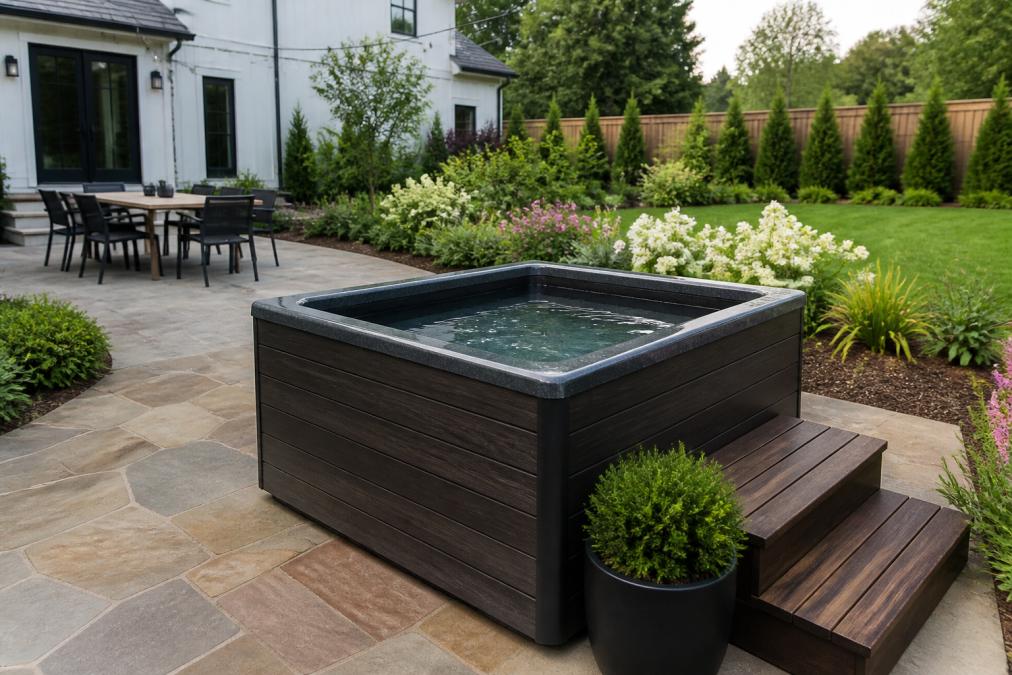
Outdoor installation works in backyards or patios. Your cold plunge system sits exposed to elements, but outdoor space is typically cheaper than carving out indoor real estate. Summer sessions feel refreshing in open air. Winter outdoor plunging becomes a serious commitment. You'll need to manage ambient temperature effects on water cooling and water filtration in outdoor conditions.

Electrical and Plumbing Requirements
Most home cold plunge systems run on standard household electrical circuits. The chiller unit typically draws 4-6 amps at 110-120V. Check your circuit capacity before installation. If you're adding a system to an older home with limited electrical capacity, you may need a dedicated circuit installed by a licensed electrician.
The 2.0 Cold Plunge System pulls up to 4.7 amps and runs on standard 24V DC power, making it compatible with most residential setups. The RevX Acrylic X Tub system uses a 1.5 horsepower chiller. Know your home's electrical capacity before committing.
Plumbing requirements depend on your setup. Portable and inflatable systems need no plumbing connection. You fill them with a garden hose and drain them manually or with a pump. Hard-sided permanent systems benefit from dedicated drainage but don't require professional plumbing if you use a pump system.
Water source matters. Municipal tap water works fine. Well water may need filtration if it carries sediment. Chlorinated water works but requires more frequent water treatment adjustments. Plan for a water source within 50 feet of your plunge location to minimize hose length.
Cold Plunge Chiller Maintenance and Water Filtration
Your chiller unit needs basic seasonal maintenance. Clean or replace filters every 2-4 weeks depending on use frequency and water source quality. Clogged filters reduce cooling efficiency and strain the chiller motor.
RevX Acrylic X Tub Cold Plunge + LUX →
Water filtration systems keep your plunge usable long-term. A 50-micron pleated filter captures debris and prevents bacterial buildup. The 2.0 Cold Plunge System includes a 10" × 2.5" pleated filter with bypass valves. Bypass valves prevent damage if the filter clogs by allowing water to circulate around the filter temporarily.
Change your water completely every 4-8 weeks. Partial water changes don't remove dissolved minerals and bacteria that accumulate over time. Full water changes reset your system and prevent algae growth. This takes 30-45 minutes but extends equipment life significantly.
UV sterilization or ozone sanitation systems reduce chemical treatment needs. These systems kill bacteria and algae without chlorine or bromine, keeping water cleaner between full changes. The Nicebeam Cryo Pro System's multi-layer construction helps retain cold temperatures longer.
Choosing Between Portable and Permanent Cold Plunge Systems
Portable systems offer flexibility. They inflate in minutes, deflate for storage, and move between locations. If you travel frequently or rent your home, portability matters. The Nicebeam Cryo Pro System weighs 35 pounds and stores in a carry bag. The 248-gallon inflatable tub includes a pump and repair kit.
Permanent systems deliver better insulation and durability. Hard-sided tubs like the RevX Acrylic X Tub stay in one location. Three-inch foam insulation keeps water cold longer, reducing chiller runtime and operating costs. Permanent systems cost more upfront but last 10+ years with proper maintenance.
Portability trades durability for convenience. If you're committing to daily cold water immersion, permanent systems make sense. If you're testing whether cold plunging fits your routine, portable systems let you experiment without major investment.
Space constraints often decide this. Apartments and small homes favor portable systems. You can deflate and store them when not in use. Houses with dedicated space for a permanent installation gain the efficiency and longevity advantages.
Cold Plunge Options for Every Budget and Space
Premium Hard-Sided Systems
The RevX Acrylic X Tub Cold Plunge with LUX High Performance Chiller represents the top-tier option at $7,500. This system features a 34-inch-deep acrylic tub with three-inch foam insulation. The depth allows full above-the-shoulder submersion while remaining in an upright position. Adjustable water flow jets break your thermal barrier, intensifying the cold exposure effect.
The 1.5 horsepower chiller cools water to 34°F or heats it to 104°F.
Mid-Range Inflatable and Compact Models
The 2.0 Cold Plunge System ($3,089) bridges portable and permanent options. USA-made with LLDPE construction, it offers a deeper ergonomic tub designed for comfort. The quarter-horsepower chiller provides 3,010 BTU cooling capacity. This system works for homes with limited space and budgets between entry-level and premium options.
Budget-Friendly Portable Options
The 248-Gallon Portable Inflatable Cold Plunge with 1HP Chiller ($1,359) delivers full-length comfort at the lowest price point. The 3.15-inch thick PVC construction provides stability and insulation. The 1-horsepower dual-system chiller cools or heats water. WiFi control and 99-hour timer enable flexible scheduling. Included accessories cover setup and maintenance.
Long-Term Operating Costs and ROI
Most people underestimate how much they'll use a home system. The barrier to entry drops from "I need to schedule and drive somewhere" to "I have 10 minutes before work." That shift changes behavior. Athletes who were doing cryo once weekly start cold plunging 3-4 times weekly. Executives managing stress find daily 3-minute sessions fit their schedule.
Frequently Asked Questions
Is it worth buying a cold plunge for home use?
A home cold plunge makes sense if you plan to use it consistently. Athletes and fitness enthusiasts see real benefits in muscle recovery and inflammation reduction. The investment pays off over time compared to $150-per-session cryo clinics. However, commitment matters, systems range from $1,359 to $7,500, so evaluate your actual usage patterns before purchasing. Our 30-day return policy lets you test whether cold water immersion fits your routine.
How long should beginners stay in a cold plunge?
Start with 1-3 minutes at 50-60°F if you're new to cold water immersion. As your body adapts over 2-4 weeks, gradually increase to 3-5 minutes and lower the temperature toward 40-50°F. Never force longer sessions, listen to your body's response. Beginners often see benefits from shorter, consistent sessions rather than pushing duration too quickly, which can trigger excessive vasoconstriction and reduce the therapeutic effect.
What maintenance does a home cold plunge require?
Weekly maintenance includes checking water filtration systems and cleaning or replacing filters every 1-3 months depending on usage. Monitor water chemistry and use appropriate treatment kits to prevent algae and bacterial growth. Most systems require draining and refilling every 2-4 weeks. Chiller units need airflow around them to operate efficiently.
Can I fit a cold plunge in an apartment or small space?
Yes, portable inflatable models work well for apartments and smaller homes. The Nicebeam Cryo Pro System weighs just 35 pounds and stores in a carry bag when deflated, fitting in a closet or garage. Dimensions are typically 53-60 inches long and 30-31 inches wide, so a balcony, patio, or spare room works. Ensure you have access to a standard electrical outlet (100-120V) and nearby water drainage. Hard-sided systems require more permanent space but offer better insulation and durability for daily use.