How to Recover From Chronic Inflammation
Table of Contents
- What Is Chronic Inflammation and Why Recovery Matters
- Step 1: Assess Your Inflammation With Biomarkers
- Step 2: Build an Anti-Inflammatory Diet Plan
- Step 3: Add Movement and Physical Activity
- Step 4: Harness the Benefits of Cold Plunge for Inflammation
- Step 5: Integrate Red Light Therapy for Recovery
- Step 6: Optimize Sleep, Stress, and Recovery Habits
- Frequently Asked Questions
Last Updated: September 20, 2026
What Is Chronic Inflammation and Why Recovery Matters
Chronic inflammation is a persistent immune system response that damages healthy tissue over time, unlike acute inflammation which resolves quickly after an injury. When your body remains in a state of low-grade inflammation for weeks, months, or years, it accelerates cellular damage and contributes to metabolic dysfunction. Understanding how to recover from chronic inflammation requires addressing the root causes, oxidative stress, poor sleep, sedentary habits, and dietary triggers, rather than treating symptoms alone.
This matters because systemic inflammation underlies many chronic diseases. Your immune system stays activated when it shouldn't be, releasing cytokines and pro-inflammatory markers that damage joints, blood vessels, and organs. The good news: recovery is possible through measurable interventions that reduce inflammation at the cellular level.
The strategies below give you a practical framework to reverse inflammation and rebuild resilience.
Step 1: Assess Your Inflammation With Biomarkers
Before changing anything, measure what's actually happening in your body. Biomarkers give you objective data instead of guessing whether your inflammation is improving.
The most useful markers to track are C-reactive protein (CRP), which indicates systemic inflammation severity, and interleukin-6 (IL-6), a key pro-inflammatory cytokine. Your doctor can order a high-sensitivity CRP test; normal levels are under 3 mg/L, but many people with chronic inflammation run between 5-10 mg/L. Fasting glucose and insulin levels reveal whether metabolic syndrome is driving inflammation, insulin resistance triggers the immune system to stay activated.
Ask your doctor for a baseline inflammatory panel before making changes. Then retest after 8-12 weeks of implementing the steps below. Watching your CRP drop from 8 to 4 mg/L is far more motivating than abstract promises of "feeling better." You're also tracking what actually works for your body, not following generic advice.
Step 2: Build an Anti-Inflammatory Diet Plan
Your diet is the primary lever for controlling systemic inflammation. Pro-inflammatory foods trigger immune activation; anti-inflammatory foods reduce cytokine production and support gut microbiome health.
Foods to prioritize:
- Fatty fish (salmon, sardines, mackerel) for omega-3 fatty acids, which suppress pro-inflammatory pathways
- Leafy greens and cruciferous vegetables (broccoli, Brussels sprouts) for phytonutrients and fiber
- Berries for antioxidants that combat oxidative stress
- Extra virgin olive oil for polyphenols
- Nuts, seeds, and legumes for fiber and micronutrients
Foods to minimize or eliminate:
- Refined carbohydrates and added sugars, which spike blood glucose and trigger inflammatory responses
- Seed oils high in omega-6 (vegetable oil, soybean oil) that shift your inflammatory balance
- Processed foods with artificial additives
- Excessive alcohol, which increases intestinal permeability and systemic inflammation
A practical approach: eliminate the worst offenders first (sugar, processed foods), then add fiber-rich whole foods. Blood glucose regulation improves when you prioritize fiber and protein at each meal, which also stabilizes insulin sensitivity and reduces metabolic inflammation.
| Dietary Strategy | Primary Benefit | Implementation |
|---|---|---|
| Increase omega-3 intake | Reduces pro-inflammatory cytokines | 2-3 servings fatty fish weekly |
| Eliminate refined sugars | Stabilizes blood glucose and insulin | Remove processed snacks, use whole grains |
| Add fiber-rich foods | Supports gut microbiome, reduces endotoxemia | 25-30g fiber daily from vegetables, legumes |
| Reduce seed oils | Improves omega-3 to omega-6 ratio | Cook with olive oil or avocado oil instead |
Step 3: Add Movement and Physical Activity
Sedentary behavior accelerates chronic inflammation. Physical activity reduces pro-inflammatory cytokines, improves insulin sensitivity, and supports tissue repair mechanisms.
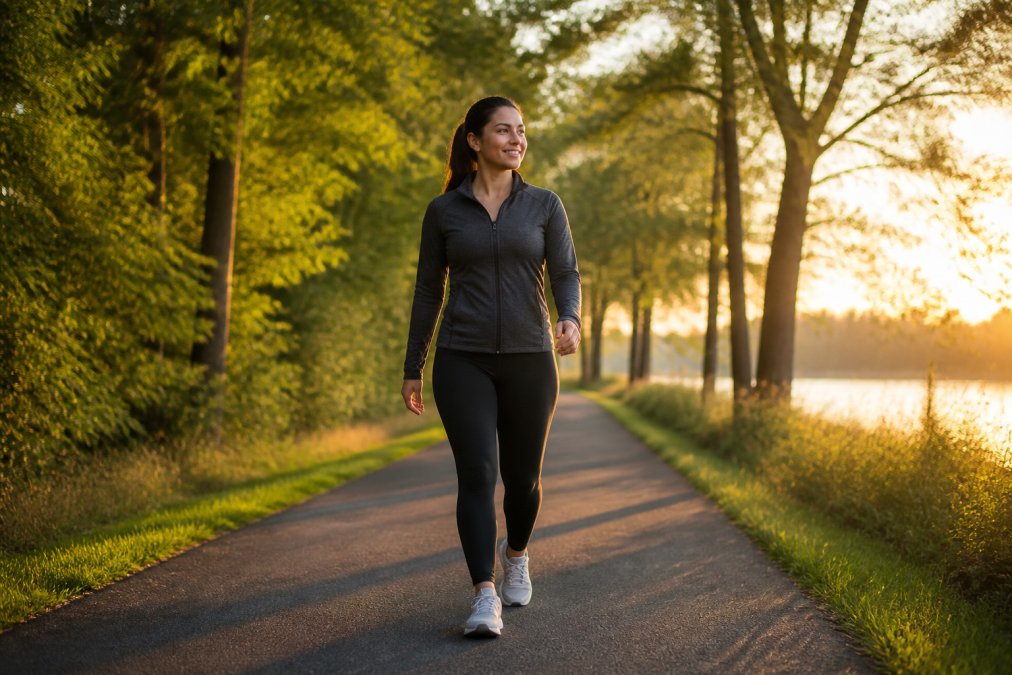
The key is consistency over intensity. Low-impact movement performed daily outperforms sporadic high-intensity exercise when managing inflammation. Walking for 30-45 minutes, swimming, cycling, or yoga all reduce systemic inflammation without triggering excessive oxidative stress from overtraining.
Start with what you'll actually do. A person who walks 30 minutes daily sees better inflammatory markers than someone who runs hard twice weekly and sits the rest of the time. Movement signals to your body that tissues are healthy and need maintenance, which downregulates unnecessary immune activation.
Strength training 2-3 times weekly also helps. Muscle tissue is metabolically active and reduces inflammation through myokine production. You don't need heavy weights, bodyweight exercises or light resistance work fine. The goal is consistent stimulus, not maximum intensity.
Step 4: Harness the Benefits of Cold Plunge for Inflammation
Cold exposure activates the parasympathetic nervous system and reduces pro-inflammatory markers. When you immerse in cold water, your body triggers a controlled stress response that builds resilience and downregulates chronic inflammation over time.
Cold plunging works through multiple mechanisms: it reduces cortisol after the initial spike, improves blood flow to tissues during the recovery phase, and activates brown adipose tissue, which burns calories and produces anti-inflammatory compounds.
Red Light Therapy Panel Designed for →
Start conservatively. A 3-minute immersion at 50-55°F (10-13°C) is sufficient for most people. Frequency matters more than duration, 3-4 times weekly produces better results than occasional long sessions. Your nervous system adapts quickly, and consistency builds the anti-inflammatory benefits.
The Cold Plunge Tub Designed for Recovery with WiFi App Control and 80 Gallon Capacity reaches 37°F (3°C) and includes app-based temperature control, so you can dial in the exact intensity you need. The portable design means you can set it up in your backyard and use it daily without committing to expensive clinic visits.

Step 5: Integrate Red Light Therapy for Recovery
Red light and near-infrared wavelengths penetrate tissue and stimulate mitochondrial function, reducing oxidative stress and accelerating cellular repair. This is one of the most evidence-backed recovery modalities for managing chronic inflammation.
Red light therapy works at the cellular level: it increases ATP production, reduces reactive oxygen species, and activates anti-inflammatory pathways.

The Red Light Therapy Panel Designed for Daily Wellness with 4 Wavelengths and 72 Quad-Chip LEDs includes multiple wavelengths (630nm, 660nm, 810nm, 850nm) so you can target different tissue depths. The touchscreen control lets you adjust brightness and session length based on your recovery needs. Position it 6-12 inches from the area you're treating and use it for 10-20 minutes daily.
Combine red light with your cold plunge routine: cold therapy reduces inflammation acutely, while red light accelerates tissue repair during recovery. This pairing addresses inflammation from multiple angles.
Step 6: Optimize Sleep, Stress, and Recovery Habits
Sleep deprivation directly increases pro-inflammatory markers (pubmed.ncbi.nlm.nih.gov). When you sleep less than 7 hours, your cytokine production shifts toward pro-inflammatory dominance, and your cortisol rhythm becomes dysregulated. Chronic stress keeps cortisol elevated, which suppresses immune regulation and perpetuates systemic inflammation.
Prioritize 7-9 hours of consistent sleep (the CDC). Your body repairs tissue and clears metabolic waste during deep sleep, this is when anti-inflammatory mechanisms are most active. Aim for consistent bedtime and wake time, even on weekends. Your circadian rhythm controls immune function, so regularity matters more than total hours.
Stress management directly reduces inflammation. Chronic stress elevates cortisol and activates the sympathetic nervous system, keeping your body in a pro-inflammatory state. Practical stress-reduction approaches include meditation (even 10 minutes daily), breathing exercises, time in nature, and social connection.
| Recovery Factor | Impact on Inflammation | Practical Target |
|---|---|---|
| Sleep duration | Regulates cytokine production and cortisol rhythm | 7-9 hours nightly |
| Sleep consistency | Stabilizes circadian immune function | Same bedtime/wake time daily |
| Stress management | Reduces cortisol elevation and sympathetic activation | 10-20 min daily practice |
| Cold exposure | Reduces pro-inflammatory markers acutely | 3-4x weekly, 3 minutes |
| Red light therapy | Accelerates cellular repair and mitochondrial function | 10-20 min daily |
Recovery isn't passive. Your body needs consistent stimulus, movement, temperature contrast, light exposure, sleep, to shift from chronic inflammation back to healthy baseline. The tools and practices above work synergistically: cold plunging triggers acute stress, red light therapy accelerates repair, sleep consolidates the adaptation, and consistent movement signals that your tissues are healthy.
Chronic inflammation doesn't resolve through willpower alone. It requires addressing root causes: poor nutrition, sedentary behavior, inadequate sleep, and chronic stress. The framework above gives you measurable interventions to reverse inflammation systematically.
Sport Gains equips your home with the recovery tools, cold plunges and red light therapy panels, that eliminate friction from daily practice. When recovery is convenient and accessible, you actually use it consistently. Get started with Sport Gains and track your inflammatory markers over the next 8-12 weeks.
Frequently Asked Questions
How long does it take to recover from chronic inflammation?
Recovery timelines vary based on inflammation severity, lifestyle adherence, and individual factors. Recovery timelines vary based on inflammation severity, lifestyle adherence, and individual factors. Deeper tissue repair and metabolic shifts often take 12-16 weeks. Biomarker tracking through blood work helps you monitor progress objectively rather than relying on how you feel alone.
What are the best benefits of cold plunge for inflammation?
Cold exposure activates anti-inflammatory pathways by reducing pro-inflammatory cytokine production and improving immune system response. Regular cold plunge sessions support circulation, reduce swelling in joints and tissues, and help regulate cortisol levels when used consistently. For athletes and those managing chronic inflammation, cold therapy complements diet and exercise by accelerating tissue repair and reducing systemic inflammation markers over time.
Can red light therapy for recovery actually reduce inflammation?
Red and near-infrared wavelengths penetrate tissue and stimulate mitochondrial function, supporting cellular energy production and tissue repair. Research suggests consistent red light therapy sessions may help reduce oxidative stress and support the body's natural anti-inflammatory response. Used alongside dietary changes and physical activity, red light therapy becomes part of a comprehensive recovery protocol rather than a standalone solution.
What should I eat on an anti-inflammatory diet plan?
Focus on fiber-rich foods, omega-3 fatty acids, and antioxidant-rich whole foods: fatty fish, leafy greens, berries, nuts, seeds, legumes, and colorful vegetables. Limit processed foods, refined sugars, and excess omega-6 oils that promote pro-inflammatory responses. A practical anti-inflammatory diet plan emphasizes whole foods over supplements, consistent meal timing to stabilize blood glucose regulation, and gradual elimination of inflammatory triggers rather than drastic overnight changes.