


How to Maintain a Cold Plunge: 2026 Care Guide
Table of Contents
- What You'll Need Before You Start
- Your Cold Plunge Maintenance Checklist
- How Often to Change Cold Plunge Water
- Cold Plunge Filter Cleaning: Step by Step
- Cold Plunge Water Testing and Sanitizing
- How to Maintain Cold Plunge Water Between Deep Cleans
- Common Cold Plunge Maintenance Mistakes to Avoid
- Conclusion: Build a Routine You'll Actually Keep
- Frequently Asked Questions
Last Updated: October 8, 2026
What You'll Need Before You Start
Learning how to maintain cold plunge water starts with a short list of supplies. Get these ready before your first plunge, and weekly care takes minutes instead of hours.

Gather these items:
- A pleated filter cartridge that fits your chiller
- Test strips for pH and sanitizer levels
- A gentle sanitizer safe for your tub
- A soft sponge or microfiber cloth
- A skimmer net or small hand vacuum
Most cold plunge problems come from skipping one of these tools. At Sport Gains, we tell every new owner the same thing: the filter does most of the work, so keep spares on hand. The CDC guidance on healthy swimming and water treatment explains why clean water matters for any tub you soak in.
Your Cold Plunge Maintenance Checklist
A simple cold plunge maintenance checklist keeps water clear and safe without eating your week. Break the work into daily, weekly, and monthly tasks.
Here is the full schedule at a glance:
| Task | Frequency | Time Needed |
|---|---|---|
| Check temperature and water clarity | Daily | 2 minutes |
| Skim debris and check sanitizer | Weekly | 15 minutes |
| Rinse or swap the filter | Weekly | 15 minutes |
| Test pH and sanitizer levels | Monthly | 30 minutes |
| Deep clean and water change | Monthly | 30 minutes |
Daily Tasks (2 Minutes)
Check the temperature and look at the water. If it looks cloudy or smells off, test it early.
Skim out leaves, hair, and bugs before they break down. A quick pass with a net takes seconds and saves you a bigger job later.
Weekly Tasks (15 Minutes)
Rinse the filter and check your sanitizer level. Top off the water if it has dropped below the fill line.
Wipe the waterline with a soft cloth. Body oils collect there and turn into a ring if you ignore them.
Monthly Tasks (30 Minutes)
Test pH and sanitizer with fresh strips. Then decide whether the water needs a full change.
Inspect the chiller vents for dust. A clogged vent makes the unit work harder and run warmer than it should.
How Often to Change Cold Plunge Water
Most home owners should change cold plunge water every two to four weeks. Heavy use, hot weather, and shared tubs push you toward the shorter end.
Here is how to judge it:
- Change every 2 weeks if you plunge daily or share the tub
- Change every 3 to 4 weeks for light, solo use
- Change sooner if water turns cloudy or smells
- Change sooner after illness or a party
Water quality matters more than the calendar. If your sanitizer and pH stay in range, you can stretch the schedule. If they drift, change the water now. The EPA information on water treatment and disinfection covers the basics of keeping water clean.
Cold Plunge Filter Cleaning: Step by Step
Cold plunge filter cleaning takes about ten minutes and is the single best habit for clear water. A clogged filter is the top cause of cloudy tubs.
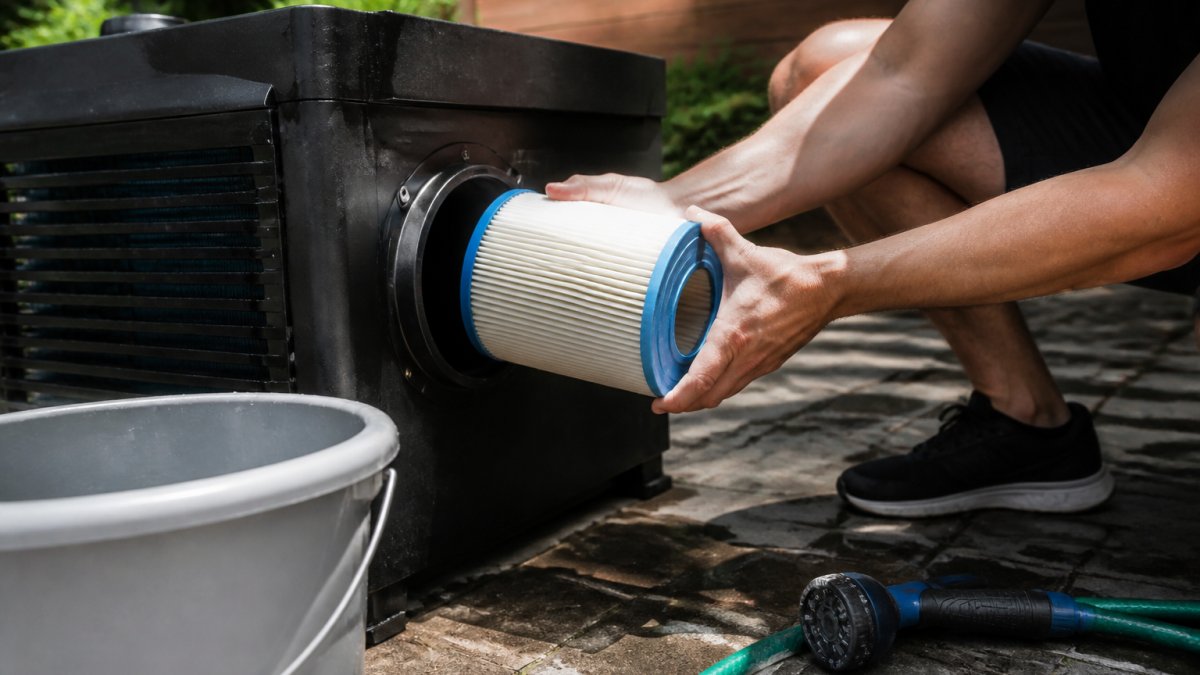
Follow these steps:
- Unplug the chiller or switch it off at the outlet
- Open the filter housing and twist out the cartridge
- Rinse the pleats with a hose, top down
- Soak in warm water if you see oil or film
- Let it air dry fully before reinstalling
- Swap in a spare while the other dries
Never scrub pleats with a brush. It pushes dirt deeper and tears the paper.
Cold Plunge Water Testing and Sanitizing
Testing keeps your water safe and your tub in good shape. Check pH and sanitizer at least once a month, and more often with heavy use.
Cold Plunge Tub Designed for Recovery, WiFi App Control, 80 Gallon Capacity →
What to Test For
Test these three things:
- pH: aim for 7.2 to 7.8, the range most tubs and sanitizers expect
- Sanitizer level: follow the dose on your product label
- Alkalinity: keeps pH from swinging up and down
If pH runs high, sanitizer stops working well. If it runs low, water can feel harsh on skin.
Sanitizer Options That Won't Damage Your Tub
Not every sanitizer suits every tub. Match the product to your material and chiller.
- Chlorine: cheap and effective, but dose carefully
- Bromine: gentler on skin and stable in warm water
- Hydrogen peroxide: a popular choice for ozone-assisted systems
- UV and ozone: built into many chillers as a backup layer
Check your manufacturer's guide before adding anything. Some acrylic and inflatable tubs react poorly to certain chemicals.
How to Maintain Cold Plunge Water Between Deep Cleans
Small habits keep water clear between full changes. The goal is to stop buildup before it starts.
Do these between deep cleans:
- Shower before every plunge
- Skim the surface after each use
- Keep the tub covered when idle
- Top off with clean water only
- Rinse the filter weekly
A cover does more than keep out leaves. It slows evaporation and keeps heat and debris out. Sport Gains builds its cedar and acrylic tubs for daily use, so a solid cover and routine care go a long way.
Common Cold Plunge Maintenance Mistakes to Avoid
Most tub problems trace back to a few repeat mistakes. Avoiding them saves money and keeps water safe.
Watch for these:
- Skipping the filter rinse until water turns cloudy
- Using too much sanitizer, which irritates skin
- Ignoring pH until sanitizer stops working
- Leaving the tub uncovered between sessions
- Running the chiller with no water flow
- Never changing water, even when it looks fine
The biggest one is treating maintenance as optional. A cold plunge is a water system, not a bucket. It needs the same care as a hot tub, just with less heat.
For deeper guidance on safe cold exposure, the Cleveland Clinic overview of cold plunge benefits and risks is a solid reference.
Conclusion: Build a Routine You'll Actually Keep
The hard part of cold plunge care is not the work. It is building a routine you will stick with.
Set a two-minute daily check. Rinse the filter every week. Test and change water on a schedule. That is the whole system, and it keeps your tub ready whenever you are.
At Sport Gains, we stock cold plunge systems built for daily use and long-term durability, from portable inflatable tubs to acrylic models. Every unit ships through authorized channels, comes with a 30-day return policy, and is backed by our team if you have questions. See how it works and find the setup that fits your recovery routine.
Frequently Asked Questions
How often should you clean a cold plunge?
Rinse the filter every one to two weeks if you plunge daily. Do a full filter cleaning with a hose and filter cleaner monthly. Wipe the tub interior weekly with a soft cloth and mild soap. Every three to four months, drain the tub completely, scrub the walls, and refill with fresh water. Following a cold plunge maintenance checklist keeps this schedule consistent and prevents biofilm from forming on the walls or in the plumbing.
What chemicals can you use in a cold plunge?
Most cold plunge manufacturers recommend a small amount of chlorine or bromine to keep water sanitary. Hydrogen peroxide is another option some owners use. Test the water before adding anything, and follow the dosage on the product label. Avoid adding large amounts of chlorine at once, since high concentrations can damage seals and pump components over time. Cold plunge water testing with a test strip takes about 30 seconds and tells you exactly what your water needs.
Do you need to shower before using a cold plunge?
Yes. Rinsing off before you get in removes sweat, lotion, and sunscreen that break down water chemistry fast. Even a quick 30-second rinse cuts down how often you need to change the water and reduces how hard your filter has to work. If you plunge daily, this one habit can extend your water life by a week or more between changes.
How do you prevent biofilm in a cold plunge?
Biofilm forms when water sits stagnant and warm. Run your chiller and pump daily, even on days you skip a plunge, so water keeps circulating. Keep the temperature at your target setting rather than letting it drift up. Clean the filter on schedule, test and balance the water weekly, and scrub the tub walls during each water change. If you notice a slippery film, drain the tub, scrub it with a mild cleaner, and refill.






